Pediatric dentists provide special attention to children’s dental health. They educate parents on proper oral hygiene, offer tips on how to brush and floss their child’s teeth, and perform additional preventive treatments. Proper oral hygiene involves more than just brushing your child’s teeth; it also includes the use of mouthwash and other oral hygiene products. A Children’s Dental Care recommendations will be based on your child’s age and dental needs.
Common pediatric dental procedures
A pediatric dentist can perform a variety of procedures on children, including dental fillings. These procedures can help treat cavities, which are common among children’s teeth. A pediatric dentist will numb the infected tooth and remove any damaged areas before filling the tooth with a material of your choice. Common options include silver amalgam or ceramic porcelain.
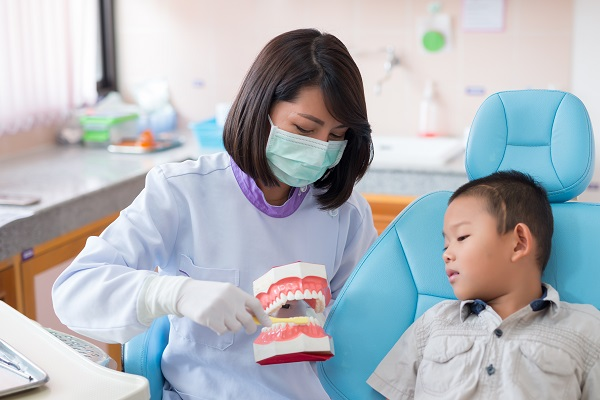
A pediatric dentist will also examine your child’s gums, teeth, and bite to check for signs of decay or inflammation. They will also check for any soft tissue problems and check for alignment problems. They will also discuss with you your child’s diet and how to keep their mouths healthy. Pediatric dentists may also recommend preventative treatments, such as dental sealants, which help protect the teeth from cavities.
A dentist may recommend extraction if tooth decay is affecting the surrounding teeth. Sometimes a deep cavity extends to the nerve, and it needs to be removed. This can result in damage to the neighboring teeth, so a space maintainer may be needed. This procedure is usually painless and quick, but parents should discuss any fears about sedation with the pediatric dentist.
Inflammation of soft tissues of teeth and gums
Inflammation of soft tissues of teeth and/or gums is a common dental problem. This problem is caused by a buildup of plaque. This plaque triggers an immune response, leading to destruction of gingival tissue and, eventually, tooth loss. It can also be caused by changes in hormone levels in children, such as those that occur during puberty, during the menstrual cycle, or during pregnancy. In addition, certain drugs may impact a child’s oral health. In some cases, these drugs can cause abnormal growth of gum tissue. Lastly, age is another factor, increasing the likelihood of gum disease and gingivitis.
Fortunately, there are treatments available for this condition. Inflammation of the soft tissues of the teeth and gums can be treated using root canals. In some cases, the infection is reversible, and can be resolved on its own. In other cases, a pediatric dentist may suggest a partial denture or other form of tooth replacement.
Fillings for cavities
Fillings for cavities at a pediatric dentist are not something that you and your child should be afraid of. You should keep calm, but also make sure your child understands what is happening. Your child hears everything you say and can pick up on your emotions. You need to be prepared to answer any questions your child may have. Once your child is in the chair, they will probably be anxious, but don’t let this scare you.
It’s important to visit a pediatric dentist as soon as your child complains of tooth pain. Children often have a fear of dental fillings, and it’s easy to second-guess whether or not your child needs one. However, leaving even a small cavity untreated can lead to more extensive dental work later. Further, the longer you wait, the more complicated the work will be, and the more money you’ll have to spend.