The rise of online gaming has undoubtedly transformed the way we entertain ourselves, connect with others, and explore virtual worlds. With the advent of immersive technologies and multiplayer platforms, online gaming has become a popular form of leisure activity for people of all ages. However, like any form of entertainment, excessive engagement in online gaming can lead to addiction and associated negative consequences. Connect with lucky cola casino online gaming community through chat and messaging features. In this article, we will delve into the topic of online gaming addiction, debunk some common stereotypes, and discuss strategies to find a healthy balance between gaming and other aspects of life.
Understanding Online Gaming Addiction
Online gaming addiction, also known as problematic or compulsive gaming, is characterized by an excessive and uncontrollable urge to engage in gaming activities, often resulting in neglect of personal responsibilities, relationships, and other important areas of life. It is essential to recognize that addiction can occur across various forms of media and technology, and online gaming is just one of them. However, due to its immersive nature and the availability of multiplayer platforms, online gaming has gained particular attention in discussions surrounding addiction.
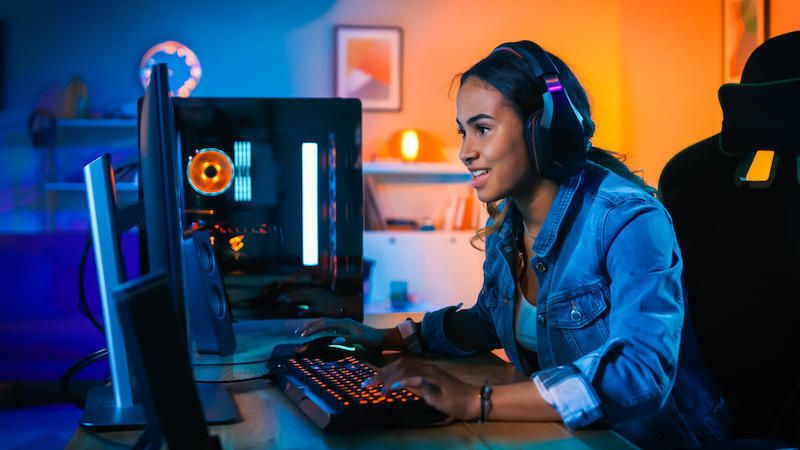
Breaking the Stereotypes
Online gaming addiction is often associated with negative stereotypes and misconceptions, which can hinder understanding and appropriate interventions. Let’s break some of these stereotypes and gain a more nuanced perspective on the issue.
- Online Gaming Addiction Only Affects Young People: While it is true that adolescents and young adults are more susceptible to online gaming addiction, it can affect individuals of all age groups. Middle-aged adults and even seniors can develop a problematic gaming habit, highlighting the need for age-inclusive prevention and treatment strategies.
- Gaming Addiction Is a Result of Personal Weakness: Addiction is a complex phenomenon influenced by various factors, including psychological, biological, and environmental elements. It is not simply a matter of personal weakness or lack of willpower. Genetic predispositions, mental health issues, social isolation, and the rewarding nature of gaming experiences can contribute to the development of addiction.
- All Gamers Are Addicted: While online gaming addiction is a significant concern, it is crucial to recognize that the majority of gamers can engage in gaming activities without developing addiction. Most people enjoy gaming as a recreational activity and can maintain a healthy balance between their gaming habits and other aspects of life.
Finding Balance and Healthy Gaming Habits
Instead of stigmatizing gaming altogether, it is more productive to promote responsible and balanced gaming habits. Here are some strategies to find a healthy balance between online gaming and other areas of life:
- Set Clear Boundaries: Establish specific time limits for gaming and stick to them. It is important to prioritize other essential activities such as work, study, physical exercise, and maintaining relationships. Allocating dedicated time slots for gaming can help prevent excessive engagement.
- Diversify Your Interests: Explore other hobbies and activities outside of gaming. Engage in sports, art, music, or any other pursuits that interest you. By diversifying your interests, you can develop a more balanced and fulfilling lifestyle.
- Practice Self-Awareness: Pay attention to your emotional and physical well-being while gaming. If you notice signs of neglecting personal hygiene, experiencing increased irritability or difficulty controlling your gaming time, it may be a warning sign of problematic engagement. Practicing self-awareness can help you identify when your gaming habits are becoming excessive.
- Foster Social Connections: While gaming can provide opportunities for social interaction, it is essential to maintain offline relationships as well. Nurture your real-life friendships and family connections. Consider engaging in multiplayer gaming with friends or participating in local gaming communities to strike a balance between virtual and face-to-face socialization.
- Seek Support When Needed: If you find yourself struggling to maintain a healthy balance or suspect that your gaming habits are becoming problematic, don’t hesitate to seek help. Reach out to mental health professionals, support groups, or helplines specializing in gaming addiction. They can provide guidance, support, and resources tailored to your needs.
Conclusion
Online gaming addiction is a real concern in today’s digitally connected world. By breaking the stereotypes associated with gaming addiction and promoting responsible gaming habits, we can address the issue effectively. It is important to remember that gaming, like any other form of entertainment, can be enjoyed in moderation. By setting boundaries, diversifying interests, practicing self-awareness, fostering social connections, and seeking support when needed, we can find a healthy balance between online gaming and other aspects of life. Let’s embrace the positive aspects of gaming while being mindful of our well-being and overall life satisfaction.