Introduction
A dental emergency can occur unexpectedly and often requires immediate attention to alleviate pain, prevent further damage, and preserve oral health. Knowing how to handle a dental emergency can make a significant difference in the outcome. If you’re looking for exceptional dental care, Top Rated Wicker Park Dentist is renowned for their expertise and commitment to providing outstanding oral health services. In this article, we will provide essential guidelines on what to do during a dental emergency, including common emergency situations and the necessary steps to take.
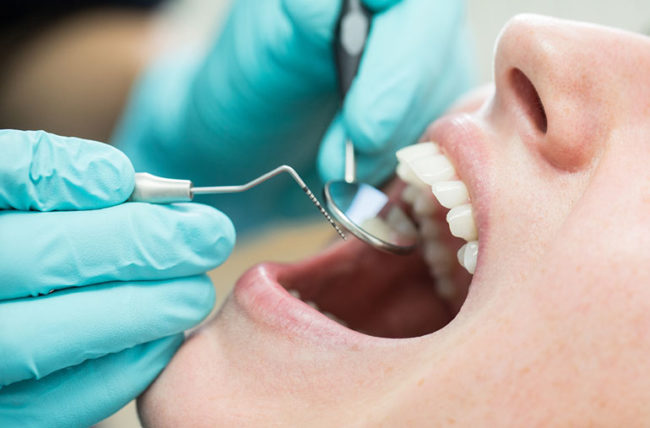
Common Dental Emergencies
Dental emergencies can encompass various situations. Some of the most common dental emergencies include:
- Toothache: Severe tooth pain can be a sign of an underlying issue, such as an infection or tooth decay.
- Knocked-Out Tooth: When a tooth is completely knocked out of its socket due to an accident or injury.
- Chipped or Fractured Tooth: A broken or cracked tooth can cause pain and increase the risk of infection.
- Loose Tooth: Adult teeth should not be loose. A loose tooth may be an indication of an injury or advanced gum disease.
- Object Lodged Between Teeth: When an object gets stuck between teeth and causes discomfort or pain.
- Lost Dental Filling or Crown: A lost filling or crown can expose the underlying tooth, leading to sensitivity and potential damage.
Steps to Handle a Dental Emergency
1. Stay Calm
During a dental emergency, it’s essential to stay calm and composed. Panicking can make it challenging to make rational decisions and may exacerbate the situation.
2. Assess the Situation
Evaluate the severity of the dental emergency. Determine if it requires immediate attention or if temporary measures can be taken until professional help is available.
3. Contact a Dental Professional
Reach out to your dentist or an emergency dental clinic as soon as possible. Explain the situation and follow their guidance on the next steps to take. If the emergency occurs outside of regular office hours, many dental practices have emergency contact numbers you can call.
4. Toothache Relief
If experiencing a toothache, rinse your mouth with warm water and gently floss to remove any food particles that may be causing the pain. Avoid placing aspirin directly on the tooth or gums, as it can cause tissue damage.
5. Handling a Knocked-Out Tooth
If a tooth is knocked out, handle it carefully by the crown (the visible part), avoiding contact with the root. Rinse the tooth gently with water to remove any debris, but do not scrub or remove any attached tissue fragments. Attempt to reinsert the tooth into the socket, if possible, and hold it in place. If reinsertion is not possible, place the tooth in a container of milk or saliva to keep it moist until you can see a dentist.
6. Dealing with a Chipped or Fractured Tooth
If a tooth is chipped or fractured, rinse your mouth with warm water to clean the area. If there is bleeding, apply gentle pressure with a piece of gauze or a clean cloth. Use a cold compress on the outside of the mouth or cheek to reduce swelling.
7. Object Lodged Between Teeth
If an object is stuck between your teeth, try to gently remove it with dental floss. Avoid using sharp or pointed instruments that could cause injury to the gums or teeth. If the object cannot be removed, seek professional dental assistance.
8. Lost Dental Filling or Crown
If a dental filling or crown falls out, clean the area around the tooth with warm water. Apply dental cement or temporary dental adhesive, readily available at most pharmacies, to cover the exposed area until you can visit your dentist.
Conclusion
Knowing how to handle a dental emergency is crucial for minimizing pain, preventing further damage, and ensuring prompt treatment. Remember to stay calm, assess the situation, and contact a dental professional immediately. By following these guidelines, you can effectively manage a dental emergency and protect your oral health.